


Hygiene Pads
Why Choose Us?
Advanced equipment
We are equipped with advanced electronic quality inspection and testing devices such as: computer camera detector, thickness gauge, retention testing machine, electronic tensile testing machine, wear resistance testing machine, fluorescent agent tester, bursting strength tester, etc.
Accept ODM/OEM service
Our professional staff and state of equipment allow us to have the capability to design and manufacture a wide range of new items according to the buyer's requirements. We have advanced machines for handling OEM and ODM orders and make sure to meet every specification of our clients.
High quality
SINCERE acquired numbers of global certifications regarding entire production and product quality control of its Hygiene products such as 'FDA', 'European CE', 'ISO9001', 'ISO13485', SGS quality test report, etc.
Complete range of products
Our factory manufacture a wide range of disposable health care products such as biodegradable sanitary napkin, panty liner, eco-friendly baby diapers, adult diapers, adult pants diapers, incontinence pads, maternity sanitary pad, nursing pad, underpads, pet pads etc.
Hygiene pad, or simply a pad, (also known as a sanitary pad, sanitary towel, sanitary napkin or feminine napkin) is an absorbent item worn in the underwear when menstruating, bleeding after giving birth, recovering from gynecologic surgery, experiencing a miscarriage or abortion, or in any other situation where it is necessary to absorb a flow of blood from the vagina. A hygiene pad is a type of menstrual hygiene product that is worn externally, unlike tampons and menstrual cups, which are worn inside the vagina. Pads are generally changed by being stripped off the pants and panties, taking out the old pad, sticking the new one on the inside of the panties and pulling them back on. Pads are recommended to be changed every 3–4 hours to avoid certain bacteria that can fester in blood; this time also may differ depending on the kind worn, flow, and the time it is worn.
-
![Bamboo Sanitary Napkins]()
Model: SRWSJ003. . MOQ: 50,000pcs/size. . Certification: ISO,CE,MDR,SGS. . Size: 190/ 240/ 285/ 305/ 350/ 410mm. . Supply Ability: 2,000,000pcs per Month. . Feature: Organic bamboo fiber,
-
![Bamboo Panty Liners for Women]()
Model: SRHD0028. . MOQ: 100,000pcs/size. . Certification: ISO,CE,MDR,SGS. . Supply Ability: 2,000,000pcs per Month. . Backsheet: Biodegradable PLA&PBAT Film. . Feature: Organic bamboo fiber,
-
![Disposable White Underpad]()
Model: SRHLD0026. . MOQ: 50,000pcs/size. . Certification: ISO,CE,MDR,SGS. . Supply Ability: 100,000pcs per Day. . Size: 40*60/60*60/60*70/60*90/70*150/100*200cm. . Feature: Organic bamboo
-
![Ultra Thin Sanitary Pads]()
Model: SRWSJ003. . MOQ: 50,000pcs/size. . Certification: ISO,CE,MDR,SGS. . Size: 190/ 240/ 285/ 305/ 350/ 410mm. . Supply Ability: 2,000,000pcs per Month. . Feature: Organic bamboo fiber,
-
![Disposable Women Period Underwear]()
Disposable Women Period Underwear
Model: SRJQK0046. . Size: S--XXL. . SAP: 6-12g/ Custom. . MOQ: 50,000pcs/size. . Certification: ISO,CE,MDR,SGS. . Supply Ability: 100,000pcs per Day
-
![Organic Cloth Pads]()
Model: SRSNPR049. . Layer: 3-5 Layers. . Size: S/ M/ L/ XL. . Bottom Layer: Waterproof PUL With Non-Slip Silicone Dot. . OEM&ODM: Accepetable. . Feature: Anti-leak, Waterproof, Durable
-
![Reusable Hygiene Pads]()
Model: SRSNPR049. . Layer: 3-5 Layers. . Size: S/ M/ L/ XL. . Bottom Layer: Waterproof PUL With Non-Slip Silicone Dot. . OEM&ODM: Accepetable. . Feature: Anti-leak, Waterproof, Durable
-
![Cotton Menstrual Cloth]()
Model: SRSNPR049. . Layer: 3-5 Layers. . Size: S/ M/ L/ XL. . Bottom Layer: Waterproof PUL With Non-Slip Silicone Dot. . OEM&ODM: Accepetable. . Feature: Anti-leak, Waterproof, Durable
-
![Sanitary Pads Menstrual Cloth]()
Model: SRSNPR049. . Layer: 3-5 Layers. . Size: S/ M/ L/ XL. . Bottom Layer: Waterproof PUL With Non-Slip Silicone Dot. . OEM&ODM: Accepetable. . Feature: Anti-leak, Waterproof, Durable
-
![Washable Maternity Breast Pads]()
Washable Maternity Breast Pads
Model: SRRNBD028. . Layer: 3-5 Layers. . Absorbency: Up to 50ml. . Thickness: 2.5 mm (dry). . OEM&ODM: Accepetable. . Shape: round / petal / heart / teardrop / contoured / cone
-
![Cotton Washable Breast Pads]()
Model: SRRNBD028. . Layer: 3-5 Layers. . Absorbency: Up to 50ml. . Thickness: 2.5 mm (dry). . OEM&ODM: Accepetable. . Shape: round / petal / heart / teardrop / contoured / cone
-
![Reusable Nursing Breast Pads]()
Model: SRRNBD028. . Layer: 3-5 Layers. . Absorbency: Up to 50ml. . Thickness: 2.5 mm (dry). . OEM&ODM: Accepetable. . Shape: round / petal / heart / teardrop / contoured / cone

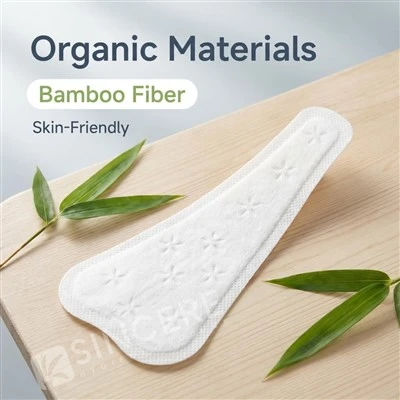


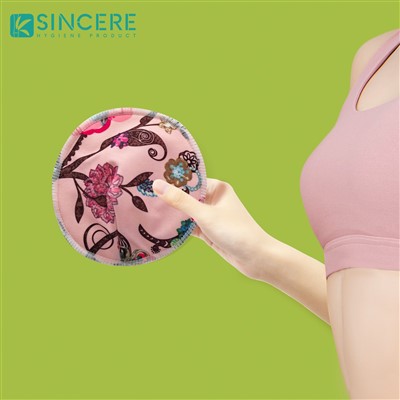

Hygiene pads are made from materials that can break down naturally in the environment, reducing their environmental impact. These materials include:
● Organic cotton: A natural and renewable fiber that is both biodegradable and compostable.
● Bamboo fiber: A sustainable and absorbent material derived from bamboo plants.
● Biodegradable plastic: Plant-based plastics, such as polylactic acid (PLA), that decompose over time.
● Wood pulp: A natural and renewable material that is often used in combination with other biodegradable materials.
● Corn starch: A biodegradable and absorbent material derived from corn.
When to Change Hygiene Pad
Hygiene pad is meant to absorb blood, vaginal mucus and other materials that your body discards during periods. This may give you an idea of how hygienic or unhygienic it could be if you aren't able to change your pad for long! Yes, you are on the right track if you think a hygiene pad needs to be changed frequently. However, how often to change pads during your periods cannot have a standard answer that is applicable to every woman.
Like most things, it actually depends on a number of factors. Just so you know, it may seem like you bleed a lot during your period, but most girls normally lose between 4 and 12 teaspoons of blood during a typical menstrual cycle, which really isn't a lot. However, if you normally have medium to low flow or are not bleeding much during a particular menstrual cycle, it does not mean that you can skip changing your pad for the entire day! You need to know how often you should change a hygiene pad and stick to a fairly stable routine.
If you are using a pad with higher absorption capacity that is made for long usage, then such a pad can be used slightly longer. As mentioned before, however, there is no fixed answer that will be true for every woman. Keep track of your flow for the initial few months and that could help you understand when to change a pad and what works best for you.
Changing your pad on a regular basis is extremely important to ensure good hygiene and avoid vaginal odour which can be uncomfortable. It will also leave you feeling clean and fresh throughout the day! However, in spite of your research on how often to change period pads there may be times when it is not possible to do so during the entire day.
What Kind of Hygiene Pad Should You Use
There's pretty much a hygiene pad for every flow and situation. They come in different widths, lengths, and absorbencies, and with or without wings.


● Regular. This usually refers to a hygiene pad with medium absorbency for flow that fall in the mid-range between light and heavy.
● Maxi. Maxi hygiene pads are thicker. A lot of people prefer hygiene pads to be as thin as possible, but others prefer the security of a thicker hygiene pad. These usually accommodate a medium or heavy flow.
● Super. As you'd guess from the name, a super hygiene pad offers more absorbency. These are best suited to the first couple days of your period or every day if you have a heavy flow.
● Thin/ultra-thin. As you'd imagine, a thin or ultra-thin hygiene pad is considerably thinner than other types. They're thicker than a panty liner, but not by much. These are usually best for light days or the tail end of your period.
● Slender. These hygiene pads are narrower than other types making them better for the narrower gusset of skimpier skivvies or people who wear a smaller clothing size.
● Overnight. These are queen of hygiene pads. They're usually longer and thinner than other styles, all in the name of protecting your undies and sheets from nighttime leaks. They also have wings, which are flaps of extra material that wrap around the sides of the crotch of your underpants for extra leak protection.
Women's need to maintain confidence and seek comfort during their menstrual cycle is becoming increasingly important. Hygiene pads, as a crucial product in women's lives, not only provide reliable protection during menstruation but also exhibit unique advantages in terms of health, comfort, and convenience.
● Outstanding absorption capacity: Modern hygiene pads use advanced absorption technology to rapidly absorb menstrual discharge and keep dry. This outstanding absorption capacity not only provides women with reliable protection throughout the day but also effectively alleviates discomfort during the menstrual cycle, allowing women to feel more confident.
● Soft and contoured design: Hygiene pads prioritize comfort, employing soft materials and a body-contoured design that adheres to the curves of a woman's body. This ensures a comfortable feel during use, enabling women to move more freely and comfortably throughout their menstrual cycle.
● Innovative leak-proof technology: Hygiene pads not only excel in absorption but also incorporate advanced leak-proof technology, effectively preventing side leaks and permeation. This innovative technology allows women to move freely, liberating them from concerns about menstrual cycle-related inconveniences.
● Environmentally friendly choice: Hygiene pad brands are committed to introducing environmentally friendly products, utilizing biodegradable or recyclable materials to reduce their impact on the environment. By choosing these hygiene pads, women not only care for their personal health but also contribute to the sustainable development of the planet.
● Discreet and portable carrying: The discreet design and lightweight portability of hygiene pads allow women to carry them conveniently, addressing menstrual needs anytime, anywhere. This portability enables women to feel more liberated and worry-free when out and about.
Hygiene pads should be changed every 3–4 hours, even if you have a light flow. Regular changing prevents buildup of bacteria and stops odor. If you have a heavier flow, you might need to change hygiene pads more often to make sure you don't leak.
There are two types of hygiene pads that do the same job, but are used a little bit differently.
● Disposable hygiene pads. Most hygiene pads have a sticky strip along the bottom. You peel off the paper strip that covers the adhesive and press the hygiene pad into the crotch of your underwear. If the hygiene pad has wings, you wrap these around the bottom of the crotch.
● To remove the hygiene pad, unstick it from your underwear and wrap it in toilet paper. Put it in the trash can or in the special disposal box that's found in most bathroom stalls. Don't try to flush a hygiene pad down the toilet because the toilet can become clogged and make a big mess.

What Are the Constituents of Hygiene Pad
A typical hygiene pad contains several different materials, including:
An absorbent core:
This is usually made from wood pulp (initially) or other cellulose-based materials and is designed to soak up menstrual fluid.
The top layer
This helps keep the absorbent core dry and can be made from various materials, including polypropylene and polyester.
The bottom layer
This provides a barrier between the pad and your clothing and is often made from PE film or nonwoven fabric.
Adhesives
These are used to keep the pad in place during wear and are typically made from acrylics or rubber-based materials.
How to Choose the Right Hygiene Pad
Every woman is unique in herself, and so is her body's way of reacting to periods. This is one of the reasons why so many types of hygiene pads are available in the market.
Your preference is unique because it depends on factors such as skin type, body shape, and flow. Respective priority levels of these factors shape a woman's choice of hygiene pads. Which hygiene pad will do justice to their periods differs from one woman to another and hence, the choice is absolutely subjective.
Important factors to choose the right hygiene pad
Know your periods: Understanding your body and periods first is a major part of choosing the right pad matching your menstrual cycle of what you actually need. Every girl has different type of periods be it the flow, duration or symptoms. So, know the types of hygiene pads you need.
Good absorbency: The hygiene pad absorption capacity let's you decide if you need an extra absorbent pad or just a regular pad. The pad should absorb the blood flow without any back-flow.
Opt for longer pads if your flow is heavy and vice-versa. Use pads that come with fragrance to avoid any foul smell during initial days of heavy flow.
Length and flow: Pick the right napkin as per your flow. It depends on the body shape and flow whether you need an extra-long pad with broad hip-guard or a regular one.
Use long-slim pad as hygiene pads for heavy flow and regular pads on days that follow.
Material: Cotton pads for periods as well as plastic-netted ones, both types of hygiene pads are available. It just depends on your preference and skin type what you want to use. Hygiene pad for sensitive skin are available in the market if you do have a sensitivity issue in that area.
It is advised to prefer cotton menstrual pads on the last days of your period to avoid rashes.
Lifestyle: Wear pads according to the nature of your daily activities or activities that happen to fall on the days of your period.
Use winged slim pads if you have a gym class in school or an extra absorbent pad if you have to indulge in any extra-curricular activity.
Keeping the environment in mind, people have started manufacturing biodegradable organic pads. They are certified for their quality through appropriate testing methods to ensure hygiene.
Our Factory

Shandong Sincere Hygiene Product Co., Ltd. is an import and export enterprise engaged in R&D, production and sales of Hygiene products. With its international standard manufacturing and production centers of more than 30,000 square meters in Shandong, China.
SINCERE acquired numbers of global certifications regarding entire production and product quality control of its Hygiene products such as 'FDA', 'European CE', 'ISO9001', 'ISO13485', SGS quality test report, etc.
With its solid sourcing experience, ultimate quality control of production, tremendous logistic support and professional customer service. SINCERE becomes a reliable supplier of Fortune's global 500 companies.
SINCERE is a socially responsible enterprise that attaches great importance to the R&D, production and use of biodegradable disposable hygiene products and daily necessities. SINCERE aims to bring the safest care to all children, from the start of their bright future, to provide the best biodegradable Hygiene products to every lady in their life and to offer the gentlest protection to every elder in the world. At the same time, take care of our planet!
Video Frequency
Our Certificate
FDA, European CE, ISO9001, ISO13485, SGS, GMP audit and ethical audit, etc.

FAQ
Q: What is the meaning of hygiene pads?
Q: Are pads hygiene products?
Q: How to use hygiene pad for a girl?
Change your pad every few hours, or when it's soaked with blood.
Wrap used pads in the wrapper or toilet paper and throw them in the trash.
Q: Why hygiene pads are used?
Q: Can you wear hygiene pads for 8 hours?
Q: What are the qualities of a good hygiene pad?
Good absorbency. One of the most important elements of a good sanitary pad is the ability to absorb a large volume of blood in a short span of time.
Length and flow.
Material comfort.
Q: Which type of hygiene pad is best for periods?
Q: Can you wear pads when not on your period?
Q: What is the use of hygiene pads?
Q: Is it healthy to wear hygiene pads everyday?
Q: Can I sleep with hygiene pads on?
Q: Do hygiene pads start to smell?
Q: Is it OK if your hygiene pads gets wet?
Q: What pads are the safest?
Q: How many hygiene pads per period?
Q: Can I wear hygiene pads for 12 hours?
Q: What does wearing hygiene pads feel like?
Q: Can I wear the hygiene pads all day?
Q: How to select hygiene pad?
Q: How to wear hygiene pads correctly?
We're professional hygiene pads manufacturers and suppliers in China, specialized in providing high quality products and service. We warmly welcome you to wholesale customized hygiene pads at competitive price from our factory. Contact us for quotation.
