


Underpads
Why Choose Us?
Advanced equipment
We are equipped with advanced electronic quality inspection and testing devices such as: computer camera detector, thickness gauge, retention testing machine, electronic tensile testing machine, wear resistance testing machine, fluorescent agent tester, bursting strength tester, etc.
Accept ODM/OEM service
Our professional staff and state of equipment allow us to have the capability to design and manufacture a wide range of new items according to the buyer's requirements. We have advanced machines for handling OEM and ODM orders and make sure to meet every specification of our clients.
High quality
SINCERE acquired numbers of global certifications regarding entire production and product quality control of its Hygiene products such as 'FDA', 'European CE', 'ISO9001', 'ISO13485', SGS quality test report, etc.
Complete range of products
Our factory manufacture a wide range of disposable health care products such as biodegradable sanitary napkin, panty liner, eco-friendly baby diapers, adult diapers, adult pants diapers, incontinence pads, maternity sanitary pad, nursing pad, underpads, pet pads etc.
Underpads are super absorbent pads typically used to protect the mattress from urine damage. The pad is placed above or below the linens (personal preference) and absorbs leaking liquid. Underpads have become the standard in long term care facilities and hospitals to protect mattresses and furniture from urine damage and reduce linen laundry. While underpads were designed to be used for adult incontinence to protect the mattress, innovators have found alternative uses for these wonderful pads.
-
![Disposable White Underpad]()
Model: SRHLD0026. . MOQ: 50,000pcs/size. . Certification: ISO,CE,MDR,SGS. . Supply Ability: 100,000pcs per Day. . Size: 40*60/60*60/60*70/60*90/70*150/100*200cm. . Feature: Organic bamboo
-
![Disposable Waterproof Bed Pads]()
Disposable Waterproof Bed Pads
Model: SRHLD0026. . MOQ: 50,000pcs/size. . Certification: ISO,CE,MDR,SGS. . Supply Ability: 100,000pcs per Day. . Size: 40*60/60*60/60*70/60*90/70*150/100*200cm. . Feature: Organic bamboo
-
![Leak Proof Bed Pads]()
Model: SRHLD0026. . MOQ: 50,000pcs/size. . Certification: ISO,CE,MDR,SGS. . Supply Ability: 100,000pcs per Day. . Size: 40*60/60*60/60*70/60*90/70*150/100*200cm. . Feature: Organic bamboo
-
![Health Medical Underpad]()
Model: SRHLD0026. . MOQ: 50,000pcs/size. . Certification: ISO,CE,MDR,SGS. . Supply Ability: 100,000pcs per Day. . Size: 40*60/60*60/60*70/60*90/70*150/100*200cm. . Feature: Organic bamboo
-
![Super Soft Blue Underpad]()
Model: SRHLD0026. . MOQ: 50,000pcs/size. . Certification: ISO,CE,MDR,SGS. . Supply Ability: 100,000pcs per Day. . Size: 40*60/60*60/60*70/60*90/70*150/100*200cm. . Feature: Organic bamboo


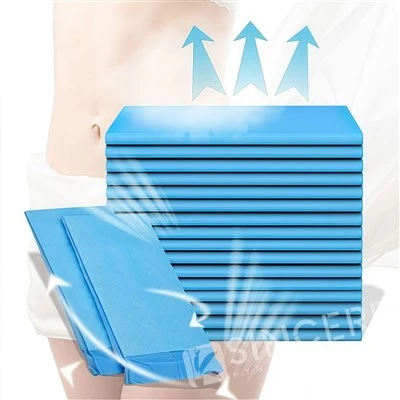


Underpads are designed to provide a protective layer between the body and the bed, preventing damage to the mattress or bedding due to spills, incontinence, or other accidents. They offer several benefits to individuals who need them, including:
● Protecting the mattress and bedding: One of the primary benefits of using underpads is that they can help protect the mattress and bedding from damage due to spills, incontinence, or other accidents. This can help extend the life of the mattress and save money in the long run.
● Improving hygiene: Underpads can help improve hygiene by preventing urine or other bodily fluids from coming into direct contact with the skin. This can help prevent the growth of bacteria and reduce the risk of infection.
● Reducing laundry: Using underpads can help reduce the amount of laundry that needs to be done, as they can be easily replaced or washed. This can save time and energy for caregivers or individuals who need to manage their own laundry.
● Increasing comfort: For individuals who have incontinence or other medical conditions, underpads can help increase comfort by providing a soft, absorbent layer between the body and the bed. This can help prevent skin irritation and improve overall comfort during sleep.
● Providing peace of mind: Knowing that there is a protective layer between the body and the bed can provide peace of mind for both caregivers and individuals who need to use underpads. This can help reduce stress and anxiety, and allow for a more restful sleep.
●Cut the product packaging with scissors and open the bag on one side.
●Carefully reach into the bag and pull one bed pad out of the packaging. Keep the remaining underpads inside the bag. Stow away extra pads accordingly.
●Hold the pad with two hands. Find the corners and pull the two sides away from each other until you see the white quilted top layer.
●Open up the pad by unfolding along creases like a newspaper.
●Hold the edges of the bed pad securely and "throw" it away from you to catch some air. This will open the underpad, completely exposing the absorbent top layer.
●Place the underpad on the bed white side up. If the underpad has adhesive strips, remove the paper cover from the strip.
●Press down on the incontinence pad firmly, securing it onto the bed sheet.

Alternative Uses from Underpads
● Protecting furniture: Underpads can also be used to protect furniture, and can easily be adhered to chairs, couches, wheelchairs, and more.
● Under a Commode: Commodes are portable, bedside toilets. Underpads are perfect for protecting the floor beneath a commode.
● Car rides/travel: For adults or children going on car rides, underpads are great for protecting your vehicle. Replacing a seat in your vehicle is much more difficult than laying down a Heavy-Duty underpad and stopping the stain before it occurs.
● Baby diaper changes: Many of using an underpad as an on the go, clean, easy to use baby changing station cover. It is soft, smooth, and sterile, so you don't have to worry about the baby touching dirty surfaces.
● Kitchen leaks and spills: If you have a light water leak, underpads are a great short-term absorbent solution to absorb light leakage of kitchen pipes, refrigerator drips, and even as a pad to use when changing car oil! They are also great for the bottom of a garbage can or to protect your floor/carpet when painting!
Choosing the Right Underpad
Selecting the appropriate underpad depends on various factors, including absorbency level, size, and intended use. Consider the following tips when choosing the right underpad:
Absorbency
Different underpads come with varying levels of absorbency. Choose a product that aligns with the specific needs of the user, whether for light or heavy incontinence.
Size
Underpads are available in a range of sizes to accommodate different surfaces. Ensure the chosen size adequately covers the intended area to provide optimal protection.
Material
Pay attention to the material composition of the underpad. Breathable and skin-friendly materials enhance comfort and reduce the risk of skin irritation.
Qualities of Underpads
Underpads are convenient for use by anyone with incontinence and are available in various styles and features.


● Absorbency: The core of underpads is made from a super absorbent polymer that turns into a gel that retains wetness.
● Airflow: Incontinence underpads have low air to help them lodge liquids effectively, making them ideal for bedridden patients. They're also used in low-air-loss mattresses to prevent heat or wetness from building up.
● Air-permeable: Underpads disseminate heat while absorbing moisture to keep the skin dry. They're also strong enough for an individual to turn anytime without tearing or moving.
● Backing material: Underpads have a plastic backing that prevents slipping. Some have adhesive tapes to hold the bed pads in place.
● Top material: Although different bed pads are made from diverse materials, the top is primarily soft for additional comfort.
Proper placement of a underpad is crucial for ensuring its effectiveness in protecting against leaks and spills. Here's a step-by-step guide on how to correctly place an underpad on a mattress, car seat, or any other surface:
Unfolding the underpad
Gently unfold: Start by carefully unfolding the underpad to its full size. It's important to do this gently to avoid tearing, especially if the underpad is designed for heavy absorbency and contains multiple layers.
Smooth out any creases: Once fully unfolded, smooth out the underpad to eliminate any creases or folds. This ensures that the entire surface area is available for protection.
Positioning on the surface
Place on the intended surface: Lay the underpad flat on the intended surface. If you're using it on a bed, center it on the area where protection is most needed, usually under the hips and lower back of the user.
Absorbent side up: Ensure that the absorbent side of the pad is facing up. This is the side that will come into direct contact with any liquids and is usually softer and quilted.
Securing the underpad
Use of adhesive strips: If the underpad comes with adhesive strips, carefully peel off the backing. Secure the pad in place by pressing the adhesive strips onto the surface. This step is crucial for keeping the underpad from shifting, particularly for users who move around in their sleep or when the pad is used on seating surfaces like car seats or sofas.
Adjust for optimal coverage: Make any necessary adjustments to ensure the underpad covers the area effectively. It should lie flat and smooth without any bunching.
Checking for proper fit
Ensure full coverage: Double-check that the underpad covers the required area completely. For bed use, the underpad should cover the width of the area where the user will lie and provide enough length to protect against any leakage.
Avoid overlapping: If using more than one underpad, avoid overlapping them as this can cause discomfort and reduce effectiveness. Instead, place them side by side to cover a larger area if needed.
The Importance of Underpads in Healthcare Environments
Incontinence management: One of the primary applications of underpads is to manage incontinence issues among patients. Whether dealing with elderly individuals, post-surgery patients, or those with certain medical conditions, incontinence can pose a significant challenge. Underpads provide a practical solution by offering a waterproof barrier that protects bedding, mattresses, and furniture from bodily fluids, reducing the risk of infections and maintaining a clean and comfortable environment for the patient.
Pressure sore prevention: Patients who are bedridden or have limited mobility are susceptible to developing pressure sores, also known as bedsores. Underpads play a pivotal role in preventing these sores by keeping the patient's skin dry and free from prolonged exposure to moisture. The absorbent core of underpads wicks away fluids, reducing the chances of skin breakdown and promoting a healthier healing environment.
Surgical and medication procedure: In various medical procedures, patients may experience minor bleeding, drainage, or other fluid discharge. Underpads act as a reliable protective layer in these situations, preventing the spread of contaminants and maintaining a sterile environment. They are especially crucial in surgical settings, where maintaining a clean and sterile field is paramount to patient safety.
Cost-effective solution: While the initial cost of underpads may seem like an added expense, their cost-effectiveness becomes apparent when considering the potential expenses related to treating infections, purchasing new bedding, and investing in more extensive cleaning procedures. Preventing complications through the use of underpads can lead to significant cost savings in the long run.
Childbirth and neonatal care: Maternity wards and neonatal care units extensively use underpads during childbirth and in caring for newborns. They provide a hygienic layer between the mother and the bed, ensuring a clean and comfortable environment. For neonates, underpads offer protection against unexpected spills and contribute to the overall cleanliness and infection control in the delicate neonatal care setting.
Our Factory

Shandong Sincere Hygiene Product Co., Ltd. is an import and export enterprise engaged in R&D, production and sales of Hygiene products. With its international standard manufacturing and production centers of more than 30,000 square meters in Shandong, China.
SINCERE acquired numbers of global certifications regarding entire production and product quality control of its Hygiene products such as 'FDA', 'European CE', 'ISO9001', 'ISO13485', SGS quality test report, etc.
With its solid sourcing experience, ultimate quality control of production, tremendous logistic support and professional customer service. SINCERE becomes a reliable supplier of Fortune's global 500 companies.
SINCERE is a socially responsible enterprise that attaches great importance to the R&D, production and use of biodegradable disposable hygiene products and daily necessities. SINCERE aims to bring the safest care to all children, from the start of their bright future, to provide the best biodegradable Hygiene products to every lady in their life and to offer the gentlest protection to every elder in the world. At the same time, take care of our planet!
Video Frequency
Our Certificate
FDA, European CE, ISO9001, ISO13485, SGS, GMP audit and ethical audit, etc.

FAQ
Q: How do you use underpads?
Q: What are underpads made of?
Q: Why might you want incontinence underpads?
A good quality incontinence bed pad is particularly useful on children's beds, or if you are recovering from surgery or childbirth, or even if you are only have episodic bladder incontinence. And many of our customers like to use them if they are staying away from home, at perhaps a relative's house or in a hotel, for added security. Some people have even found they are useful as a changing mat for baby, or in the bedding of a new puppy!
Q: What are underpads used for?
Q: What is SAP in underpad?
Q: What is the difference between underpad and liner?
Q: How do Underpads work?
Q: What is the intended use of underpad?
Q: What is the justification for underpads?
Q: What are underpads made of?
Q: How do you keep an underpad in place?
Q: What are the special uses of underpads?
Q: Can nursing pads prevent cross contamination?
Q: Is the care underpad easy to maintain?
Q: How to use an underpad?
Ensure the surface where you plan to place the underpad is clean and dry to prevent moisture from seeping through.
Place the underpad with the absorbent side facing up, ensuring the waterproof backing is in contact with the surface you want to protect.
If provided, use adhesive strips or wings to secure the underpad in place, minimising the risk of shifting during use.
Depending on the level of incontinence or the task, change the underpad regularly to maintain cleanliness and prevent leaks.
When it's time for a change, fold or roll the underpad, containing any soiled areas, and dispose of it in a lined waste bin.
Q: What are the characteristics of underpads?
Silicone release liners stick to any surface easily to prevent any underpad displacement due to movement.
Super absorbent core locks moisture quickly, leaving the user dry and comfortable for hours.
Unique quilted pattern helps in even and rapid absorption of the fluid.
PE back sheet provides cloth-like comfort, while side seal helps prevent any leakage.
Ideal for incontinence or post-operative use in hospitals, nursing homes and home care.
Convenient and portable, these are easy to carry and store, whether you're at home or travelling.
Q: What are the tips for using underpads?
It's important to change the disposable underpad regularly, particularly if it becomes saturated or soiled. This can help to prevent leaks and reduce the risk of infection or skin irritation.
Disposable underpads can be used in combination with other incontinence products, such as adult diapers or pull-up underwear, to provide added protection and absorbency.
Q: What are underpads used for in hospitals?
Q: What is the composition of underpad?
Top layer: The top layer, also known as the non-woven fabric or coverstock, is designed to be soft, gentle on the skin, and fast-wicking. It is usually made from materials like polypropylene or polyester, which are hydrophobic, allowing moisture to pass through quickly.
Absorbent core: The absorbent core is the heart of the underpad, responsible for containing and retaining fluids. It is typically made from a combination of cellulose fibers, such as fluff pulp, and superabsorbent polymers (SAP). These materials work together to quickly absorb and lock away moisture, preventing leakage and keeping the user dry.
Backsheet: The backsheet is a waterproof barrier that prevents fluids from seeping through to the underlying surface. It is typically made from polyethylene (PE) or polypropylene (PP) films, which are lightweight, flexible, and impermeable.
Q: What materials are needed to manufacture underpads?
Fluff pulp is a type of wood pulp that is commonly used in the absorbent core of disposable underpads. It is highly absorbent and can hold large volumes of liquid.
SAP is a type of polymer that can absorb and retain large volumes of liquid. It is often used in the absorbent core of disposable underpads to help prevent leaks and accidents.
We're professional underpads manufacturers and suppliers in China, specialized in providing high quality products and service. We warmly welcome you to wholesale customized underpads at competitive price from our factory. Contact us for quotation.
Super Absorbent Underpads, hypoallergenic disposable diapers for adults, disposable bed pads near me